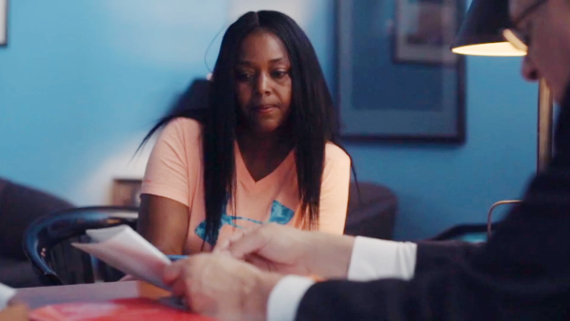



If you are scheduled for an upcoming court appearance, you may find yourself wondering what you should or shouldn’t wear in the courtroom. Below, the South Carolina attorneys of Jebaily Law Firm discuss some helpful wardrobe tips that can help you put your best foot forward in court.
Do Courtrooms Have Specific Dress Codes?
In some cases, yes. Dress codes vary from courtroom to courtroom. Some courts classify specific types of clothing as “inappropriate.” Others simply ask court attendees to appear dressed in “proper attire.”
This type of information is typically available on courts’ websites, but if it isn’t, you can always ask your attorney to be sure. Whether or not the court you visit imposes a specific dress code, it’s always a good idea to plan what you will wear in advance.
Why Does Your Appearance Matter in a Courtroom?
Most of us learn at a young age not to judge a book by its cover. However, the undeniable truth is that appearances do matter, even in a legal setting where the outcome of your case should be based on the facts alone.
Judges, jurors, and other individuals tend to draw certain conclusions about you and your character from how you dress and groom yourself in public. If you look like you take your appearance seriously, the court is more likely to assume that you’re taking your case seriously, too.
What Should Men Wear to Court in South Carolina?
Generally speaking, it’s best to err on the side of more conservative, traditional, and professional attire. It’s hard for men to go wrong with a well-fitted suit and tie, but there’s no reason to worry if you don’t own a suit.
Any business casual clothing in solid, neutral colors will present well. A pair of properly fitting slacks along with a button-down shirt and a sports coat should do just fine. Men should also style their hair neatly and shave or trim any facial hair for a well-groomed, clean appearance in court.
What Should Women Wear to Court in South Carolina?
Women should also lean conservative and professional when considering what to wear in court. Business wear and business casual attire such as pantsuits, skirt suits, and modest dresses in neutral colors are all usually safe bets.
Those who opt for sleeveless blouses should consider adding a cardigan or blazer to cover bare arms. Women with scheduled court appearances should also groom their hair neatly and keep long tresses pulled back from their faces.
What Not to Wear to Court
When selecting your courtroom attire, it’s usually best to avoid:
- Hats, sunglasses, or pajamas
- Overly revealing or form-fitting clothes
- Bright colors or busy patterns
- T-shirts or other short-sleeved shirts
- Flashy or obviously expensive designer wear
- Sneakers, flip-flops, or open-toed shoes
- Excessive or flashy jewelry or accessories
- Unkempt or unnaturally colored hair
Contact Our Experienced South Carolina Personal Injury Lawyers for Help
First impressions are vital in South Carolina courtrooms, but the attorney you choose to represent you in court can genuinely make or break your case. At Jebaily Law Firm, our personal injury lawyers have more than 100 years of combined experience fighting for the rights of our clients both in and out of court.
Contact us today to find out how we can support you through your upcoming court appearance in a free initial case review.