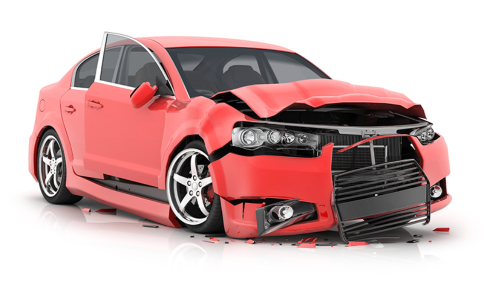


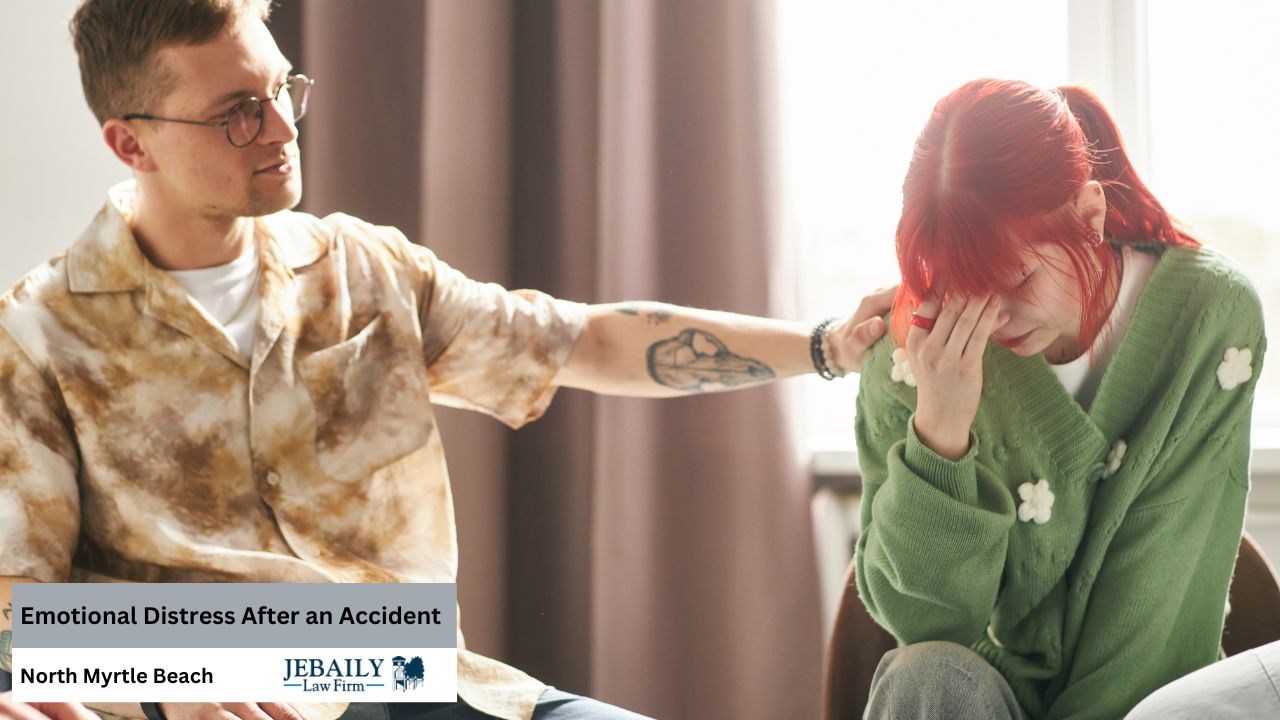
Serious accidents cause injuries that extend far beyond the physical. For many people, the emotional pain and trauma of a horrifying experience can linger long after cuts have healed and bones have mended.
If you were injured in a car accident or lost a loved one in a fatal collision, you may be entitled to pursue compensation for your losses due to emotional distress.
Jebaily Law Firm is committed to helping people in positions like yours seek the money they need to rebuild their lives. Emotional distress claims are among the most difficult types of personal injuries to prove, but we know what it takes to win these cases.
Contact us today for a free consultation. We’ll advise you of your options and explain how we can help.
How Car Accidents Can Impact Your Mental and Emotional Well-Being
The effects of a car accident are often more than just physical. Some injured people also suffer lasting psychological effects, such as post-traumatic stress disorder (PTSD), where they may experience flashbacks, nightmares, and a strong need to avoid driving or being inside vehicles.
Car accident victims might also have anxiety disorders where they have generalized, ongoing worries about safety. They might suffer from depression if the accident left them with chronic pain or a disability.
If the injured person suffered a traumatic brain injury, they can also have cognitive functional difficulties, including memory loss and difficulty concentrating. They may have emotional instability, which can leave them feeling frustrated and helpless.
Steps You Should Take After Experiencing Emotional Distress from an Accident
If you suffered emotional distress because of an accident, you can take some steps to help your mental health and to improve your chances of having a successful claim against the at-fault party. You need to know how to document emotional distress after an accident. Taking these steps is a good start:
- Seek professional help. Be sure to tell the doctor that the car accident caused your emotional distress. Follow all the doctor’s orders and do not skip any appointments.
- Gather documentation. Keep copies of all your medical records, both those for your physical injuries and your mental health care. Keep copies of all the receipts related to treating your emotional distress.
- Do not give any recorded statements. An insurance company representative may contact you to ask for a recorded statement. You are not required to give them one, and you shouldn’t. Refer them to your lawyer instead.
- Stay off social media. Don’t discuss your condition online, and ask your family and friends to refrain from doing so. Insurance companies will mine your social media accounts for any images or posts they can take out of context to minimize or deny your claim for compensation for emotional distress.
- Contact our experienced North Myrtle Beach car accident lawyers. Our personal injury law firm can handle all communications with the insurance company for you. We can gather all the evidence needed to prove your case and develop compelling arguments demonstrating that you deserve compensation.
How to Prove Emotional Distress in a Personal Injury Case
When you realize the emotional distress you are enduring is a result of the accident that injured you, a question you may ask is, “Can I sue for emotional distress after a car accident?” You might be eligible to sue, depending on the circumstances of your case.
If you are asking, “Can I get compensation for emotional distress after an accident?” the answer is maybe. Usually, you must have a physical injury to recover compensation for emotional distress, but that is not always the case. Our attorneys can advise you about whether you can be compensated for your emotional distress.
There are two types of emotional distress claims: Intentional infliction of emotional distress (IIED) and negligent infliction of emotional distress (NIED).
IIED is an intentional harm. To obtain compensation for IIED, you must show that another person caused your serious emotional distress through their intentionally or recklessly outrageous conduct.
NIED is different. This type of emotional distress is the result of someone else’s negligent behavior. To win an NIED case, the injured party must prove that the at-fault party owed the injured person a duty of care but breached that duty through their negligence. The breach of their duty of care caused the injured party to suffer significant emotional distress.
When you are suing for emotional distress after a car accident, you will need an attorney who is experienced in these types of cases and can build a strong case. Your attorney will use evidence to prove your case, including the medical records and receipts you gathered and expert witness testimony.
Common Signs and Symptoms of Emotional Distress Following a Car Accident
Post-car accident emotional distress can interfere with a person’s daily life. Common symptoms include:
- Withdrawing from friends and family
- Difficulty readjusting to work or home life
- Feeling hopeless
- Eating too much or too little
- Chronic fatigue
- Being uncharacteristically quick to anger
- Self-harming or thinking of doing so
- Smoking or drinking to excess
- Engaging in obsessive or compulsive behaviors
- Experiencing sleep disturbances
- Having mood swings, uncontrollable crying, or increased irritability
Types of Compensation Available for Emotional Distress After an Accident
If you are entitled to pursue compensation for your emotional distress, you could get money for your:
- Medical bills and counseling expenses
- Pain and emotional suffering
- Mental anguish
- Severe emotional distress
- PTSD
- Anxiety
- Depression
- Loss of enjoyment of life
Treatment and Support Options for Accident-Related Emotional Trauma
Trauma-focused therapies that can help with your emotional distress after an accident include eye movement desensitization and reprocessing (EMDR) therapy, which uses guided eye movements or other stimulation to help reprocess traumatic memories. Trauma-focused cognitive behavioral therapy helps people process the accident, challenge negative thoughts, and develop coping strategies.
The South Carolina Department of Health and Environmental Control can connect you to local mental health professionals.
Contact a North Myrtle Beach Personal Injury Lawyer for Help with Emotional Distress Claims
If you’ve experienced severe emotional harm because of a car accident in South Carolina, contact Jebaily Law Firm today for a free consultation with an experienced personal injury attorney.
We have over 100 years of combined experience protecting injured people in South Carolina and seeking the compensation they deserve after being injured by others. We would be honored to work for you, too.